Solutions to Reduce Food Waste
Food waste is a complex, multi-level problem that requires efforts from individuals, communities, businesses, and governments to solve. Below are strategies and solutions that address food waste reduction at each level, aiming to create a sustainable and food-secure future.
Personal Actions
Individuals play a crucial role in reducing food waste by adopting simple, sustainable habits:
- Meal Planning: Plan meals in advance to avoid over-purchasing and impulse buying. This helps prevent excess food that may end up as waste.
- Proper Food Storage: Learn to store food correctly to extend its shelf life. For example, keep fruits and vegetables in appropriate storage areas and understand best-before dates.
- Creative Leftovers: Use leftovers creatively in new recipes to reduce waste. For instance, vegetable scraps can be used to make soups or stocks.
- Composting: Composting food scraps that are not suitable for consumption helps reduce landfill waste and produces natural fertilizer for gardening.

Community Initiatives
Community involvement is essential in building awareness and facilitating local solutions to food waste:
- Food Banks and Charities: Donating excess food to food banks and charities can help those in need while reducing waste.
- Food-Sharing Platforms: Community-driven platforms connect people who have excess food with those who need it, encouraging redistribution instead of waste.
- Educational Campaigns: Community events and educational workshops raise awareness about the importance of food waste reduction and practical steps individuals can take.
- Local Markets: Supporting local food systems and farmer’s markets reduces transportation emissions and encourages the consumption of fresh, seasonal produce.

Industry Solutions
Businesses and industries are responsible for a significant amount of food waste, especially at the production and distribution levels. Here’s how they can contribute to waste reduction:
- Inventory Management: Using advanced inventory systems to track and manage stock helps prevent overproduction and ensures that food is used before it expires.
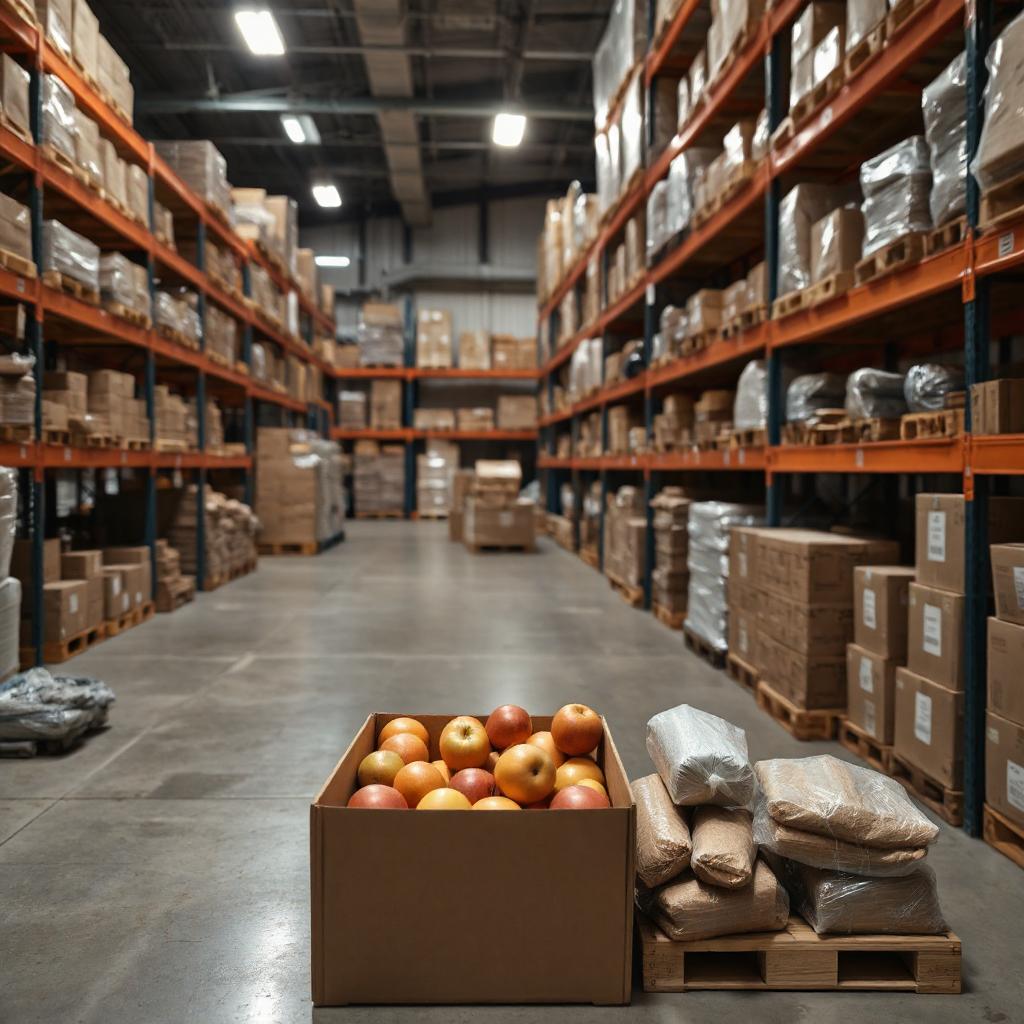
- Donation Programs: Establishing partnerships with food charities allows companies to donate surplus food safely, benefiting communities in need.
- Food Recycling: Certain industries convert food waste into energy or animal feed, reducing the amount that ends up in landfills.
- Improved Packaging: Using sustainable and appropriate packaging can increase the shelf life of products, helping reduce spoilage during transportation and storage.
- Employee Training: Training employees to manage food responsibly, reduce waste, and optimize processes can significantly reduce waste in food service and retail environments.
Government Policies and Regulations
Governments around the world play a key role in food waste reduction through policies and regulations that support sustainable practices:
- Food Waste Legislation: Some governments mandate waste reduction strategies for businesses, such as banning unsold edible food from landfills.
- Incentives for Donation: Offering tax incentives to businesses that donate food encourages more companies to participate in food redistribution programs.
- Awareness Programs: Government-funded campaigns educate the public on responsible food consumption and waste reduction practices.
- Waste Reduction Targets: Setting national or regional waste reduction goals fosters accountability and tracks progress over time.