Food Waste Statistics
Food waste is a significant problem worldwide, impacting both developed and developing countries. Here are some key statistics:
- Global Food Waste: Approximately 1.3 billion tons of food is wasted every year globally, which is about one-third of all food produced.
- Cost of Food Waste: The financial cost of food waste is estimated at nearly $1 trillion annually.
- Environmental Impact: Food waste contributes to 8-10% of global greenhouse gas emissions.
- Household Waste: In high-income countries, households contribute to over 50% of food waste.
- Developing Countries: In lower-income countries, much of the food loss occurs during production and transportation.
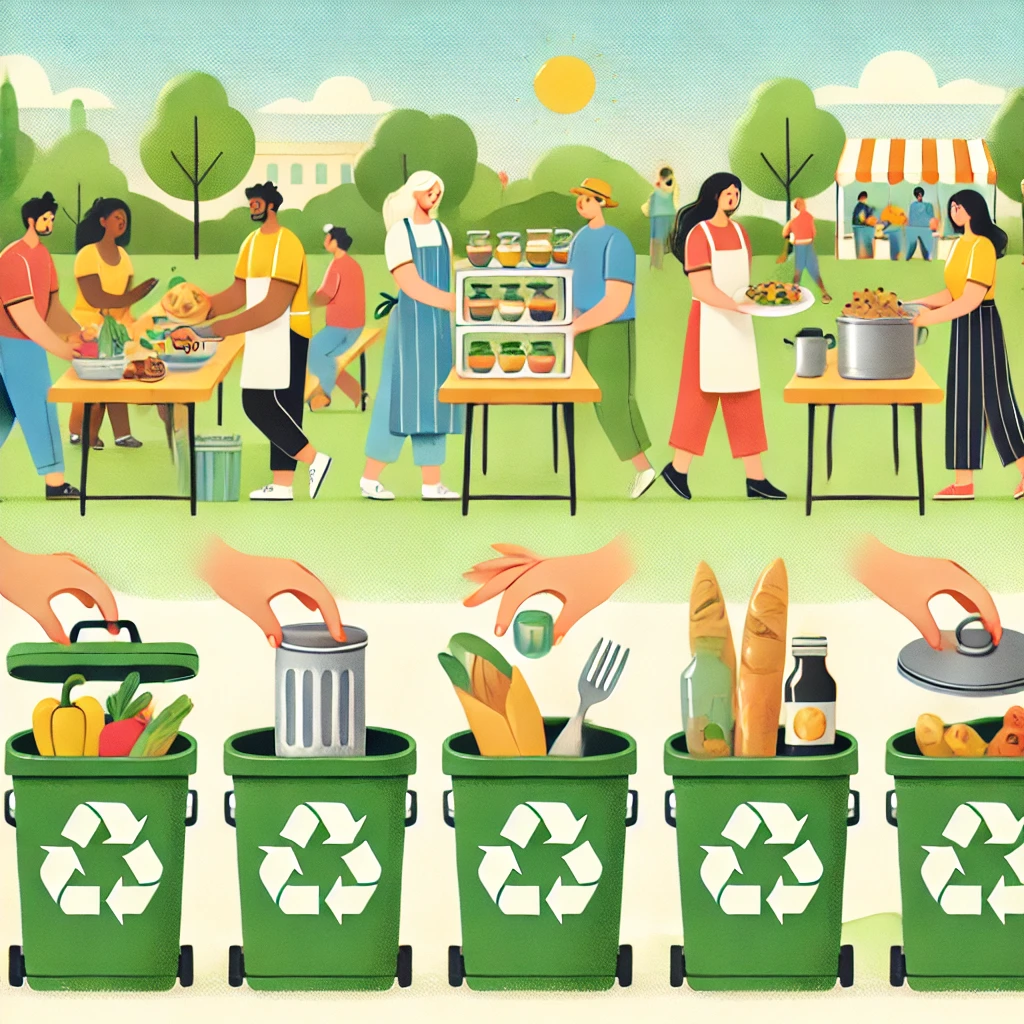
Food Waste by Region
Food waste varies widely across different regions. Here’s a breakdown:
| Region | Annual Food Waste (Million Tons) | Per Capita Waste (Kg/Person/Year) |
|---|---|---|
| North America | 168 | 95-115 |
| Europe | 88 | 95-115 |
| Sub-Saharan Africa | 6-11 | 6-11 |
| South & Southeast Asia | 60 | 6-11 |
Reasons Behind Food Waste
Several factors contribute to food waste, including inefficient supply chains, lack of infrastructure, and consumer behavior. In high-income countries, consumer habits play a major role, while in lower-income countries, food loss is often due to lack of storage and transportation facilities.
By understanding the statistics and data behind food waste, we can better focus our efforts on reducing it. Reducing food waste requires collective efforts at all levels, from production to consumption, and through policy and education.